
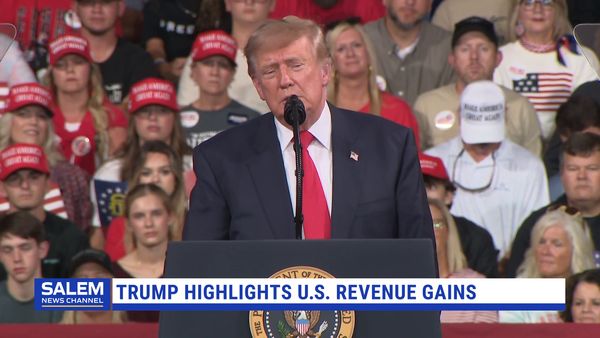



President Donald Trump highlighted what he described as record financial gains for the United States during a campaign rally in Perry, Georgia, on Saturday, while acknowledging concerns about rising gasoline prices.
Speaking to supporters ahead of the November 3 midterm elections, Trump said American oil and gas producers are benefiting from higher energy prices and increased demand amid the ongoing conflict in the Middle East.
The president claimed the United States is generating hundreds of billions of dollars through its energy industry, pointing to oil and gas production in states including Texas, Oklahoma and Louisiana.
Trump said his advisers had cautioned him against emphasizing those financial gains while Americans continue to face higher prices at the pump.
However, the president told supporters he decided to address the issue despite concerns about how his remarks might be portrayed.
"I could just see the fake headlines," Trump said, suggesting news organizations would criticize him for discussing financial gains while consumers struggle with fuel costs.
"But I said I don't give a damn. I'm going to say it. We're making a freaking fortune," Trump continued.
Trump also predicted that gasoline prices would decline, arguing that the country's energy industry is strengthening the American economy.
Higher oil prices can benefit domestic energy producers by increasing revenue, although they also raise costs for drivers, businesses and industries that depend on transportation.
The president's remarks come as gasoline prices remain a concern for American households. According to Reuters, the national average has climbed to approximately $4.27 per gallon, nearly 40 percent higher than a year earlier.
Trump has repeatedly emphasized domestic energy production and economic growth during his recent campaign appearances, presenting both as major accomplishments of his administration.
Saturday's rally was part of a broader effort to support Republican candidates ahead of the midterm elections, when voters will determine control of Congress.
With Election Day approaching, the economy and cost of living remain central issues for voters, particularly as higher energy prices continue to affect household budgets.
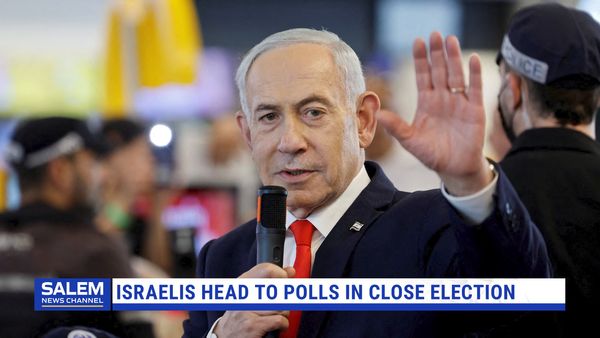
Israeli voters are set to head to the polls Tuesday in an election that will determine whether Prime Minister Benjamin Netanyahu secures another term in office.
Netanyahu's Likud party faces a challenge from the centrist Yashar party, led by Gadi Eisenkot, a former chief of staff of the Israel Defense Forces.
The election comes amid ongoing political divisions over Israel's security, leadership and the government's handling of the conflict in Gaza.
Unlike the United States, Israel does not directly elect its prime minister. Instead, voters select political parties to represent them in the Knesset, the country's 120-seat parliament.
A party or coalition must secure the support of at least 61 lawmakers to form a governing majority.
That means the outcome will depend not only on how many seats each party wins but also on which parties are willing to work together after the election.
Netanyahu, Israel's longest-serving prime minister, has led the country through multiple periods of conflict, including the aftermath of the October 7, 2023, Hamas attack.
His leadership and handling of the subsequent military campaign in Gaza have remained central issues in Israeli politics.
Eisenkot, who previously served in Netanyahu's war cabinet, resigned from the emergency government in 2024 after criticizing the prime minister's approach to the conflict.
Although Eisenkot supported Israel's military campaign against Hamas, he argued that Netanyahu had failed to establish a clear strategy for achieving the country's long-term objectives in Gaza.
Eisenkot's political challenge places two prominent figures with extensive national security experience on opposing sides of the election.
With coalition negotiations expected to play a decisive role, the election could shape Israel's next government and its approach to security and foreign policy.
Voters are scheduled to cast their ballots Tuesday, October 27.
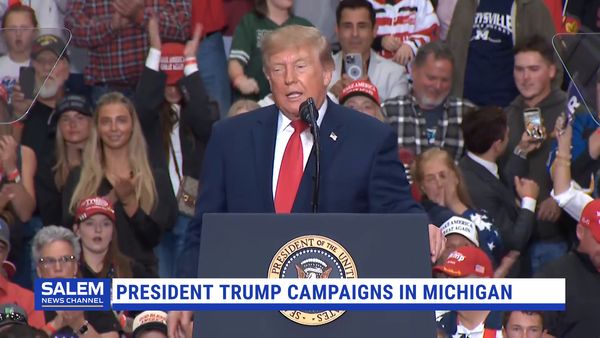
President Donald Trump campaigned in Michigan on Sunday in support of Republican Senate candidate Mike Rogers, using the appearance to launch a sharp attack against Democratic opponent Abdul El-Sayed.
Speaking to supporters just nine days before the November 3 midterm elections, Trump criticized El-Sayed's religion and accused him of having ties to extremist organizations.
"I'm here to keep a Jihadist Muslim Brotherhood member from becoming a United States Senator, and that's the fact," Trump told the crowd.
The president continued by urging Michigan voters to reject El-Sayed, referring to the Democratic candidate by an incorrect name during his remarks.
Trump also said El-Sayed should never be allowed inside the U.S. Capitol as a member of the Senate.
The president's comments focused on El-Sayed's Muslim identity and included allegations of extremist affiliations. No supporting evidence for those allegations was provided in the remarks.
El-Sayed, a physician and former public health official, is competing against Rogers, a former congressman, for Michigan's U.S. Senate seat.
The contest is part of a broader battle for control of Congress, with Republicans and Democrats campaigning across several closely watched states ahead of Election Day.
Trump's appearance underscored his involvement in Republican Senate campaigns as the midterm elections approach.
Michigan voters will decide the race on Tuesday, November 3.
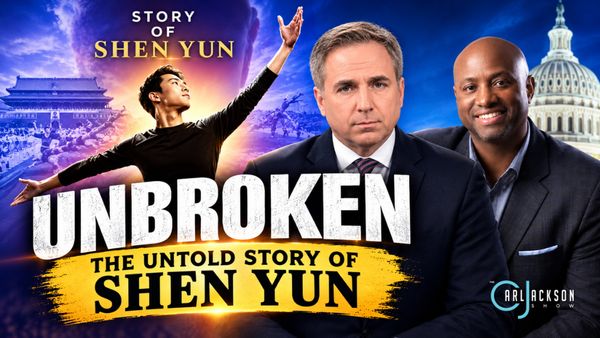
In a shocking exposé, a documentary film reveals the far-reaching influence of the Chinese Communist Party (CCP) in the United States, using a dance company as a case study. This episode delves into the world of Shen Yun Performing Arts, a classical Chinese dance company that aims to revive traditional Chinese culture and share the stories of people of faith in modern China. But what happens when the CCP tries to silence them?
The CCP's tactics are revealed through a series of articles in the New York Times, which were actually part of a coordinated disinformation campaign. The film, "Unbroken: The Untold Story of Shen Yun," exposes the CCP's use of proxy operations, including hiring paid protesters and using social media influencers to spread their narrative. The CCP's reach is staggering, with even the FBI getting caught up in their web.
The documentary also highlights the personal stories of Shen Yun performers who have faced persecution in China, including the tragic tale of a dancer whose father was imprisoned and died in a labor camp. The CCP's actions are a stark reminder of the dangers of their influence operations, which can have real-world consequences for individuals and organizations.
Join the conversation and listen to this eye-opening episode to learn more about the CCP's influence operations and the brave individuals who are fighting back. Don't miss this thought-provoking discussion with Steve Lance, the narrator of the documentary, as he shares his insights on the CCP's tactics and the importance of standing up to their influence.
Follow Carl Jackson:
Facebook: https://www.facebook.com/carljacksonradio
X/Twitter: https://twitter.com/carljacksonshow
Instagram: https://www.instagram.com/thecarljacksonshow
Website: http://www.TheCarlJacksonShow.com
Store: https://CarlJacksonStore.com
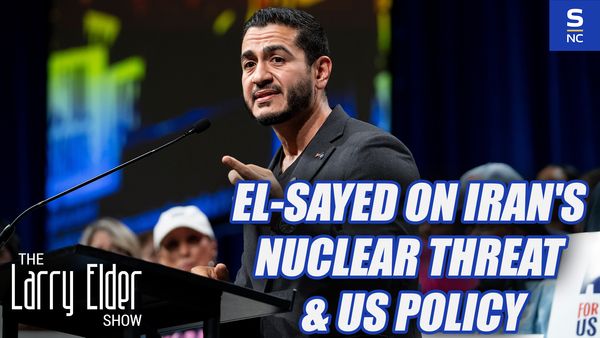
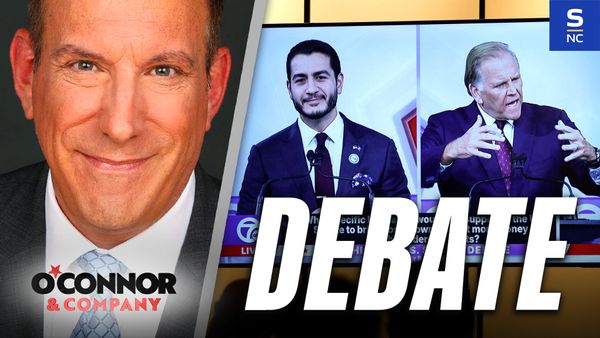
During a debate, El-Sayed and Mike Rogers discuss the war with Iran and its implications for U.S. national security. Dr. El-Sayed argues that the threat posed by Iran was contained during the Obama administration through diplomacy, specifically the JCPOA agreement, which Donald Trump later withdrew from. He criticizes the decision to make war, noting the economic costs to Americans, such as higher gas and grocery prices. Rogers, on the other hand, asserts that Iran remains a significant threat, capable of developing a nuclear weapon and funding terrorist groups like Hamas, Hezbollah, and the Houthis. He emphasizes the importance of preventing Iran from obtaining nuclear capabilities and criticizes those who oppose the war without considering its broader consequences.
Larry Elder discusses the challenges of preventing Iran and North Korea from becoming nuclear powers. He questions the effectiveness of aggressive diplomacy, referencing past agreements and actions by the U.S. and its allies. Elder highlights the unanswered questions surrounding the Trump administration's approach to Iran, including the lack of congressional authorization and the assertion that Iran's nuclear program has been completely obliterated. He also examines the failure of similar diplomatic efforts with North Korea, pointing out the discrepancies between promises and actions taken by these nations. Elder emphasizes the importance of a clear, compelling strategy to prevent these countries from achieving nuclear capability.
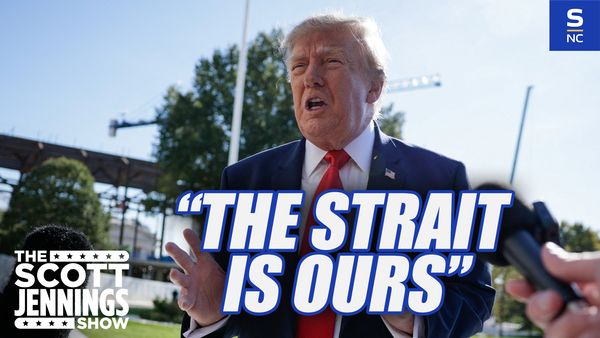
President Trump addressed the nation from ForT Myers, Florida, discussing the ongoing situation with Iran and the Strait of Hormuz. In his remarks, Trump emphasized the strategic importance of the strait and the economic benefits of securing oil flow through it. He highlighted the increased oil production from the region, underscoring the U.S.'s strong position. Trump's speech also touched on the necessity of decisive action against the Iranian regime, which he described as a significant threat to global security. He argued that the regime's ambitions and actions warrant proactive measures to ensure peace and stability in the region. The president's rhetoric suggests a firm stance on Iran, indicating that the U.S. will take all necessary steps to protect its interests and those of its allies.
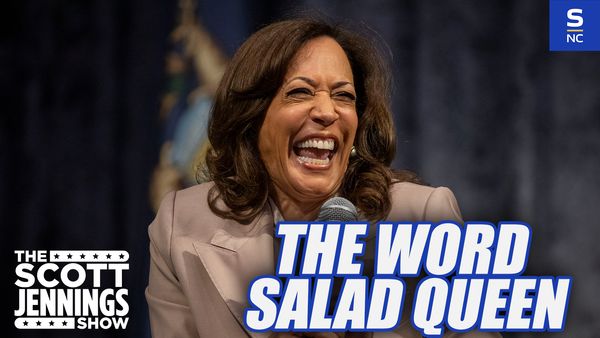
Kamala Harris's communication skills and public perception are the central focus of this clip. Despite her attempts to connect with the audience through different accents and lighter moments, the overall message is often lost. This clip highlights the challenges faced by public figures in maintaining a relatable yet meaningful presence.
With the stakes rising, the debate over voter ID, election security, and political accountability is taking center stage. Are Americans being given the full picture—and what could it mean for the fight ahead? In Texas, Democratic U.S. Senate nominee James Talarico has said he hates voter ID “with every fiber of his being” and calls it anti-American.
A high-profile Democrat’s call to enlarge the Supreme Court—only once her party regains control—points to a wider sequence of institutional changes designed to entrench lasting dominance and sideline constitutional checks.
First Lady Melania Trump announced Friday that there will be a ceasefire in the Ukrainian city of Oleshky, as there are possible trilateral talks looming in hopes of ending the Russia-Ukraine war.
Rep. Ilhan Omar (D-MN) is facing serious questions about her family history after the New York Post published a British marriage certificate that reportedly identifies her father's name as "Nur Said Elmi."
In this engaging conversation, the chief political correspondent of the Washington Examiner, Byron York, discusses the final Senate debate in Michigan between former congressman Mike Rogers and Abdul El-Sayed. York highlights the fiery nature of the debate, focusing on the Muslim Brotherhood issue and how it affected voter perceptions of El-Sayed. The discussion also touches on the influence of early voting numbers and the questionable integrity of some polling firms. York and his co-host delve into the implications of President Trump's approval ratings on the upcoming midterm elections, examining both House and Senate races. They speculate on the potential outcomes in key battleground states, offering a nuanced analysis of the political landscape as Election Day approaches.
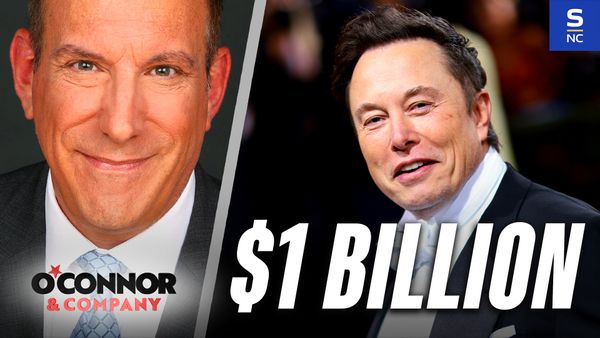
Christian Toto, a prominent writer and commentator, discusses the recent developments in the entertainment industry, including Elon Musk's investment in Skydance and its implications for media ownership. Toto also touches on the cultural battle between conservative and liberal viewpoints in media, referencing controversies surrounding Saturday Night Live and other platforms. The conversation shifts to an upcoming documentary, "Paging Hezbollah," which details a significant counteroffensive by the IDF and Mossad. Toto also previews some of the major films expected to release around the holiday season, highlighting potential Oscar contenders and other notable productions. Throughout, Toto provides insights into the shifting dynamics of Hollywood and the broader entertainment landscape.
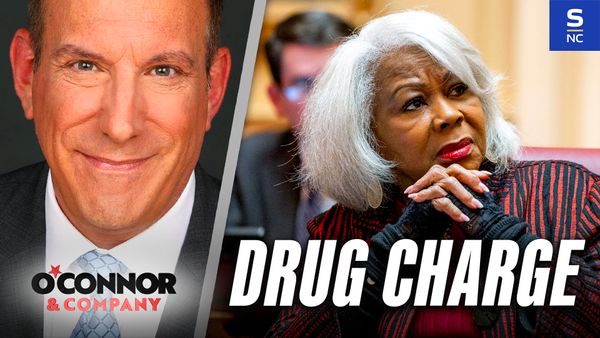
In a conversation with Will Chamberlain, senior counsel for the Article III Project, the discussion revolves around the recent indictment of Virginia Democrat Louise Lucas. The conversation delves into the brazen actions of Lucas, who allegedly allowed her unindicted co-conspirator to bring $100,000 in cash into her office while she worked with the FBI undercover. The crux of the matter involves serious allegations of fraud and conflict of interest, as Lucas was reportedly setting up a shell company to hide her personal stake in a marijuana business while simultaneously working to steer legislation in Virginia to benefit such ventures.
Chamberlain highlights the stark contrast between Lucas’s brazen actions and the more sophisticated corruption depicted in shows like "The Wire." The conversation also touches on the legal intricacies of marijuana sales in Virginia, pointing out that while recreational marijuana is not yet legal, there are strict regulations governing its sale. Lucas's alleged actions include setting up a front company and hiding her personal stake while trying to influence legislation for personal gain.
Further into the discussion, the topic shifts to the case of Ilhan Omar, where the Department of Justice believes she entered the U.S. under a false identity. The conversation explores the complexities of her immigration history, including allegations that her father was a colonel in a Marxist regime in Somalia, potentially making him ineligible for refugee status. The conversation speculates on the motivations behind her alleged identity fraud and the broader implications for immigration law and policy.
The conversation is rich with legal analysis and insights, providing a detailed examination of the intricate legal and ethical issues surrounding these high-profile cases.
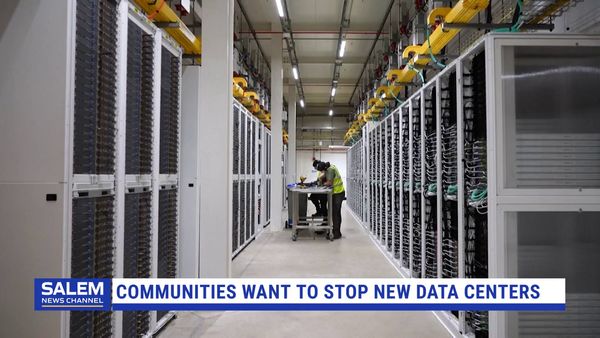
Communities across California are pushing to stop the construction of new data centers, arguing that stricter regulations and greater transparency are not enough to address concerns about their impact on neighborhoods and natural resources.
The growing opposition comes as technology companies expand data center operations to meet increasing demand for artificial intelligence, cloud computing and other digital services.
Residents and community organizations say the facilities can consume significant amounts of electricity and water, potentially straining local infrastructure and contributing to higher utility costs.
Some communities are also raising concerns about noise, air pollution and the amount of land required for large-scale developments.
In Southern California, several cities have already taken steps to restrict or prohibit new data centers.
Monterey Park became one of the first California cities to adopt a permanent ban following opposition to a proposed facility near residential neighborhoods. Voters also approved a measure supporting the prohibition.
Coachella followed with its own ban on large-scale data centers after months of community protests and public meetings.
Other cities, including Palm Springs and Gilroy, have approved temporary moratoriums to give local officials time to study potential environmental and infrastructure impacts before allowing additional projects.
The debate is also expanding into Northern California, where San Francisco officials have considered temporarily halting new data center approvals while reviewing existing regulations.
In San Diego, Mayor Todd Gloria signed an executive order Thursday directing city officials to advance a proposed temporary moratorium on new data center development.
The proposal is scheduled for City Council consideration Monday, October 26.
Gloria said the city needs to evaluate potential impacts on water supplies, electricity demand, housing opportunities and surrounding neighborhoods before establishing permanent regulations.
Supporters of data center development argue that the facilities can generate construction jobs, tax revenue and investment while supporting the technology infrastructure needed for artificial intelligence and other industries.
However, opponents question whether those economic benefits outweigh the potential long-term costs to residents.
Community advocates have also expressed concerns that new regulations could still allow projects to move forward despite local opposition.
The debate highlights a growing challenge for California officials as they attempt to balance technological development with environmental protections, infrastructure demands and community concerns.
With more cities considering bans and temporary restrictions, the future of large-scale data center development in California remains uncertain.
President Donald Trump says Google CEO Sundar Pichai rejected his suggestion to rename the Atlantic Ocean, despite the company's previous decisions to adopt new names for two other bodies of water.
Speaking at a campaign rally in South Carolina Wednesday, Trump told supporters he had discussed the possibility of renaming the Atlantic Ocean after himself or the United States.
The president said he contacted Pichai to ask whether Google Maps would support the proposed change.
According to Trump's account, Pichai declined the request, explaining that renaming an ocean would be more complicated than changing the names of smaller bodies of water.
Trump quoted Pichai as saying oceans are different because they span multiple countries and asking the president not to pursue the change.
The president appeared willing to abandon the idea, telling supporters he would probably leave the Atlantic Ocean's name unchanged.
Google has not publicly confirmed Trump's account of the conversation.
The remarks follow two previous geographical name changes during Trump's second term.
In January 2025, Trump signed an executive order renaming the Gulf of Mexico as the Gulf of America for federal government use.
He later signed another order in August 2026 renaming Lake Ontario as Lake America, a move that drew criticism from Canadian officials.
Google Maps subsequently adopted both names for users in the United States, while users in other countries continued to see different labels depending on their locations.
The changes prompted debate over the authority of individual governments to rename geographical features shared with other countries.
Unlike a lake or gulf, the Atlantic Ocean borders numerous countries across North America, South America, Europe and Africa.
While the U.S. government can establish geographical names for federal use, those decisions do not require other countries or private companies to adopt the same terminology.
During Wednesday's rally, Trump also floated the possibility of renaming the Pacific Ocean, suggesting it could be called the American Ocean.
However, no formal executive order has been announced to rename either ocean.
For now, the Atlantic Ocean will retain its longstanding name, with Trump indicating he is unlikely to pursue the proposal further.
Salem Media, our partners, and affiliates use cookies and similar technologies to enhance your browsing experience, analyze site traffic, personalize site content, and deliver relevant video recommendations. By using this website and continuing to navigate, you consent to our use of such technologies and the sharing of video viewing activity with third-party partners in accordance with the Video Privacy Protection Act and other privacy laws.Privacy Policy